

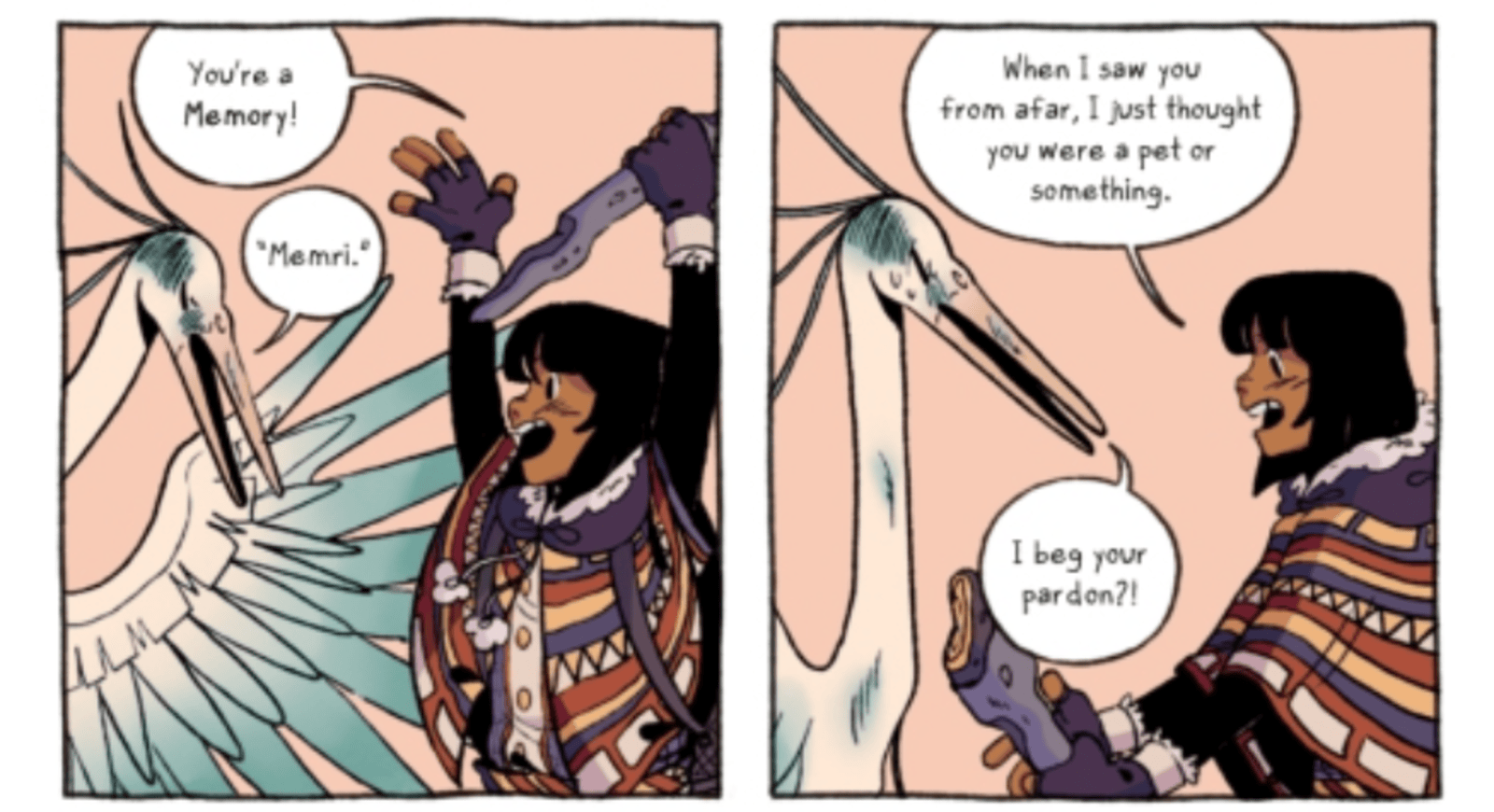
At Belmont Hill, Mr. Chittock works in the communications office and as a coach for the 8th-grade basketball team. In the communications office, he writes stories for the school website and bulletin. But off campus, he is a talented graphic novel author who has written for major franchises such as Stranger Things, Teenage Mutant Ninja Turtles, and Ninjago. Recently, we conducted an interview with him to better understand his artistic journey. He shared his passion for building stories in the comic book world and how collaboration has shaped his career.
It’s a common misconception that a graphic novelist both writes and draws. Mr. Chittock explained that he focuses solely on writing. His role is to create detailed scripts that outline each page panel by panel. These scripts not only include dialogue but also include how the panel should be drawn. Although he does not draw the artwork himself, he works closely with professional artists who bring the visuals to life. Mr. Chittock told us that collaboration is one of the most exciting parts of the job. Writing can often be a lonely process, but comics allow him to work with a team of artists and editors. He described the relationship between writer and artist as a partnership. The writer designs the overall structure and direction, and the artist brings the story to life through the panels. In many cases, this collaboration brings new life experiences that influence the graphic novel, yielding better results. According to Mr. Chittock, the best partnerships occur when all parties are open to feedback and willing to work together. Mr. Chittock emphasized feedback as being a key component to making a good comic. He believes, “The goal is always, how can we tell the best story together.” He outlined the process of how every script goes through multiple drafts and rounds of edits. He emphasized the importance of receiving feedback and improving as a life skill, not just for graphic novel writing.
Before becoming a published writer and working at Belmont Hill, Mr. Chittock actually began his career as an editor in Los Angeles. He started as an intern and worked his way up to editor. This experience taught him how comics are produced from the inside. As an editor, he worked with writers, artists, designers, and printers to make sure books were completed on time and told compelling stories. This experience gave him a strong understanding of how the industry worked. It also gave him the opportunity to work with and learn from professional writers. When he eventually transitioned to writing, the skills he had built as an editor proved invaluable.
He also talked about how writing for large franchises comes with unique challenges. When working on projects connected to major companies, such as Netflix or Paramount. Mr. Chittock does not have complete creative freedom. Instead, he pitches several story ideas to the companies. It’s up to them to decide which idea they like best. Then Mr. Chittock develops a more detailed script. This process involves tons of opinions and feedback. Still, he explained that he tries to make each story personal by focusing on what he finds meaningful about the characters.
When asked where his ideas come from, Mr. Chittock gave a brutally honest answer: “Most ideas are not good at first.” He believes that inspiration can come from every life experience or other forms of art and literature. However, the ideas require time to develop and be refined. Sometimes an idea takes years to develop fully. Instead of giving up on concepts that don’t work right away, he often revisits them later with a new perspective and experience.
At Belmont Hill, Mr. Chittock works in the communications department, helping tell the school’s story. He attended a similar all-boys private school, which was part of Belmont Hill’s appeal to him. While in high school, an English teacher introduced him to the concept of the “hero’s journey,” which sparked his love for storytelling. That experience instilled in him a belief in the massive impact a school can have on its students. Now he enjoys telling and celebrating the stories of Belmont Hill.
For students interested in writing or other creative fields, Mr. Chittock offered practical advice. First, he says students should make time for art in their busy schedules. Second, don’t experience art passively. Consider what you like, and why you like it. Finally, be willing to fail and revise. He believes that persistence is more beneficial in the long term than immediate talent. Teachers can be valuable resources, but students must be willing to put their work forward and accept feedback.
Mr. Chittock compared creative work to athletics. While publishing a book is exciting, the most meaningful parts are the process, the collaboration, the practice, and the relationships he has built during his time in the industry. His story shows us that creativity and art are not just about individual talent, but also about a willingness to fail and an ability to collaborate.


