

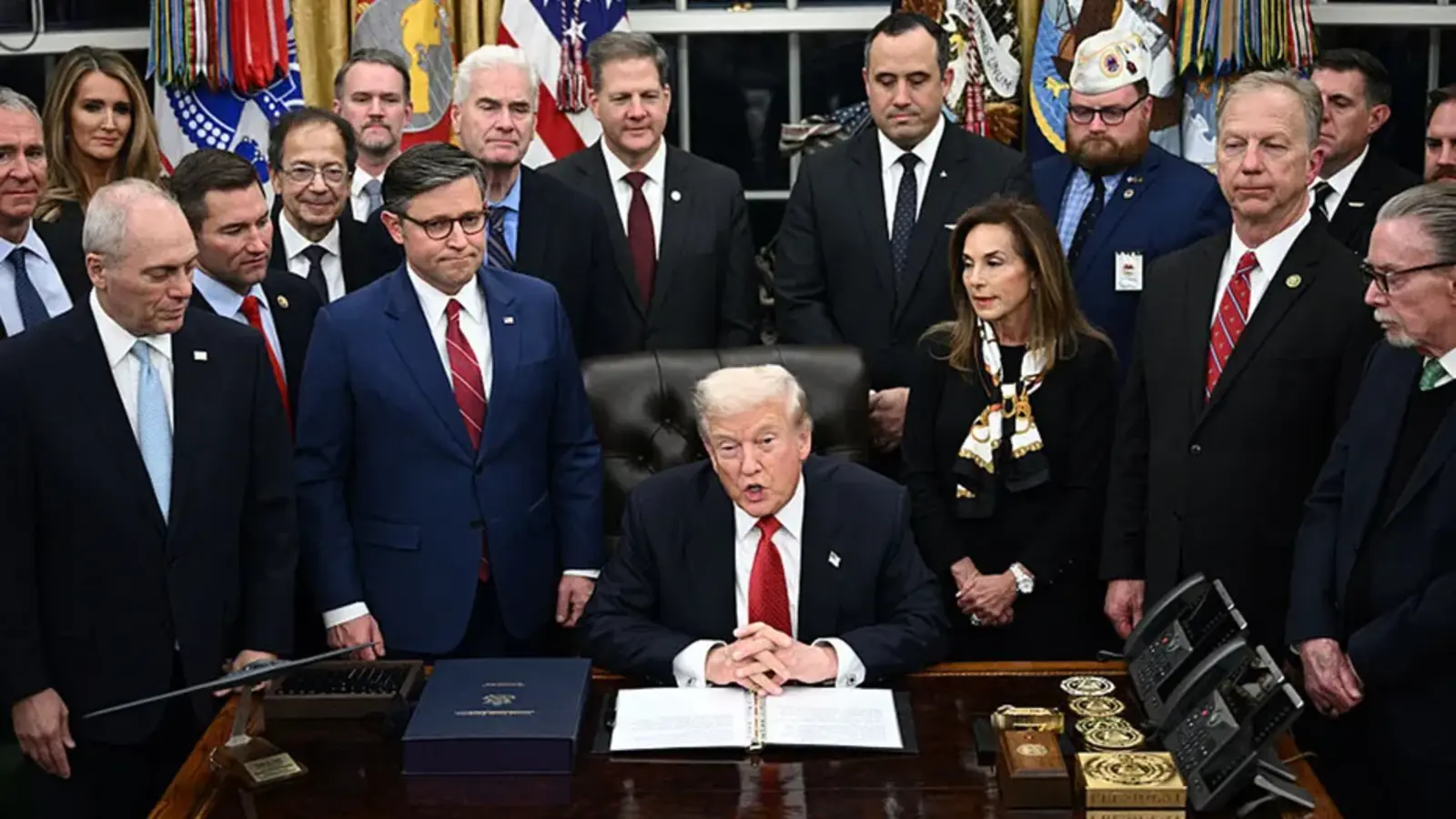
After the longest government shutdown in U.S. history, federal services resumed on November 12, 2025, following President Trump’s signature on a bipartisan funding bill. This bill passed as a result of a compromise through both chambers of Congress. However, this 43-day crisis left lasting impacts on millions of Americans, from families struggling to afford groceries to federal workers facing unprecedented job insecurity. One major devastating effect of the government shutdown was the crisis in SNAP benefits (Supplemental Nutrition Assistance Program, also known as “food stamps”).
The shutdown triggered widespread chaos for the program, as it temporarily cut off such subsidies for the first time in the nation’s history. According to Mass.gov, over 42 million Americans who rely on SNAP faced dire uncertainty when the Trump administration initially announced it would suspend the program in November. In Massachusetts alone, approximately one million people rely on SNAP benefits for sustenance, which accounts for nearly 15% of the state’s population. Federal judge John McConnell in Rhode Island ordered the Trump administration to deliver full SNAP payments to states, ruling that many millions of people would go hungry without immediate action. However, the administration appealed the decision, sparking a complicated legal battle that sent mixed messages to states about whether to distribute full or partial benefits. The administration eventually used $4.65 billion in contingency funds to provide partial SNAP benefits covering about half of each eligible household’s benefits. However, these efforts varied across states as some managed to distribute full benefits before court orders were paused, while others provided only partial payments or nothing at all.
As a result, millions of Americans continued to face widespread confusion and hardship. Food banks experienced significant increases in usage, with one Kansas facility reporting a 300% rise in demand. In Boston, food bank usage surged due to the lapses in SNAP benefits; additionally, Massachusetts allocated an additional $4 million in funding to food banks to help them meet the increased demand caused by SNAP instability.
The shutdown began on October 1, 2025, after Congress failed to pass legislation appropriating funds for the 2026 fiscal year, with Senate Democrats blocking the Republican-controlled House of Representatives from advancing a continuing resolution. The legislation failed 14 times before a revised appropriations bill was finally passed, over a month later. A major point of contention was Democrats’ demands to extend Affordable Care Act subsidies, which were set to expire in November 2025. The expiration of this act would directly impact millions, who would lose health coverage, face sharp increases in insurance premiums, and ultimately lead to worse health outcomes and increased financial hardship for families, with many individuals having to choose between their health and financial well-being. Eight Senate Democrats eventually crossed party lines to vote with Republicans on November 10, as they faced the hard decision of whether to extend the government shutdown, which would perpetuate uncertainty for millions of Americans, or make concessions and agree to Republican demands. Two days later, on November 12, the House passed the bill, officially marking the end of the government shutdown. In addition to the suspension of SNAP benefits, the shutdown’s effects cascaded across the country. Airports saw a 14% increase in delays due to air traffic controller staffing issues, with 61% of delay minutes between November 7 and 9 related to staffing problems, according to CNN. At least 670,000 federal employees were suspended temporarily, and 730,000 employees worked without pay during the shutdown.
With government funding secured only through January 30, Americans face the possibility of another shutdown in a matter of weeks. The SNAP benefits crisis revealed a key weakness in the food assistance program, while mass layoffs continue to reshape the workforce. This instance also raises some fundamental questions about our economy as a whole—if so many Americans are unable to afford food without supplemental programs, how can our government change to support this and address the root cause? If health care subsidies are not extended, tens of millions of Americans will see their health insurance costs increase, adding another layer of financial strain to families already struggling with economic uncertainties created by the shutdown and job cuts. For now, though, the 2025 government shutdown has come to a close, and millions of Americans can breathe a sigh of relief as a period of uncertainty comes to at least a temporary end.


