

A college football season filled with surprising frontrunners, wild upsets, and disappointment from perennially talented programs has led to a record nine Power Five schools parting ways with their coaches before Black Monday, the day after the regular season ends, often marked by teams making changes at the head coaching position. With these firings came buyouts for the coaches, reaching up to $50 million, setting the universities back financially for years to come.
What makes these coaching changes most surprising is who is being relieved of their duties. Both James Franklin at Penn State and Brian Kelly at LSU entered the season ranked in the top 10 in the AP Preseason top 25, coming off multiple years of success with their programs. Furthermore, both schools started the season well, winning their first three games respectively. However, a string of bad losses for both coaches put the writing on the wall and led to their departures. Additionally, within the SEC, Billy Napier and Hugh Freeze entered the season in the hot seat, and another mediocre start to the season led to their firings. Another shock firing was Oklahoma State’s decision to move on from Mike Gundy, who had been at the helm in Stillwater for 21 years, having accumulated 170 wins during this time.
One of the reasons for these “quick trigger” fires is NIL and its impact on recruiting. Now that millions of dollars are being pumped into recruiting by donors and the schools to attract the best high school recruits and transfer portal talent, it leads to a shorter leash for coaches. In the past, it had been customary to give coaches at least three years to get “their guys” in and build a culture before being evaluated. Now, with the transfer portal, rosters are being turned over every year, leading schools and fan bases to expect instant success from new coaches. Additionally, with the expansion of social media, backlash and criticism of poor coaching decisions lead fans to turn on them more quickly, causing them to be fired much more quickly than they would have been in the past. This trend is also evident in professional sports leagues in America and Europe. For example, in both the Premier League and the NHL, fewer than 30% of teams’ coaches have been at the helm for the past two seasons.
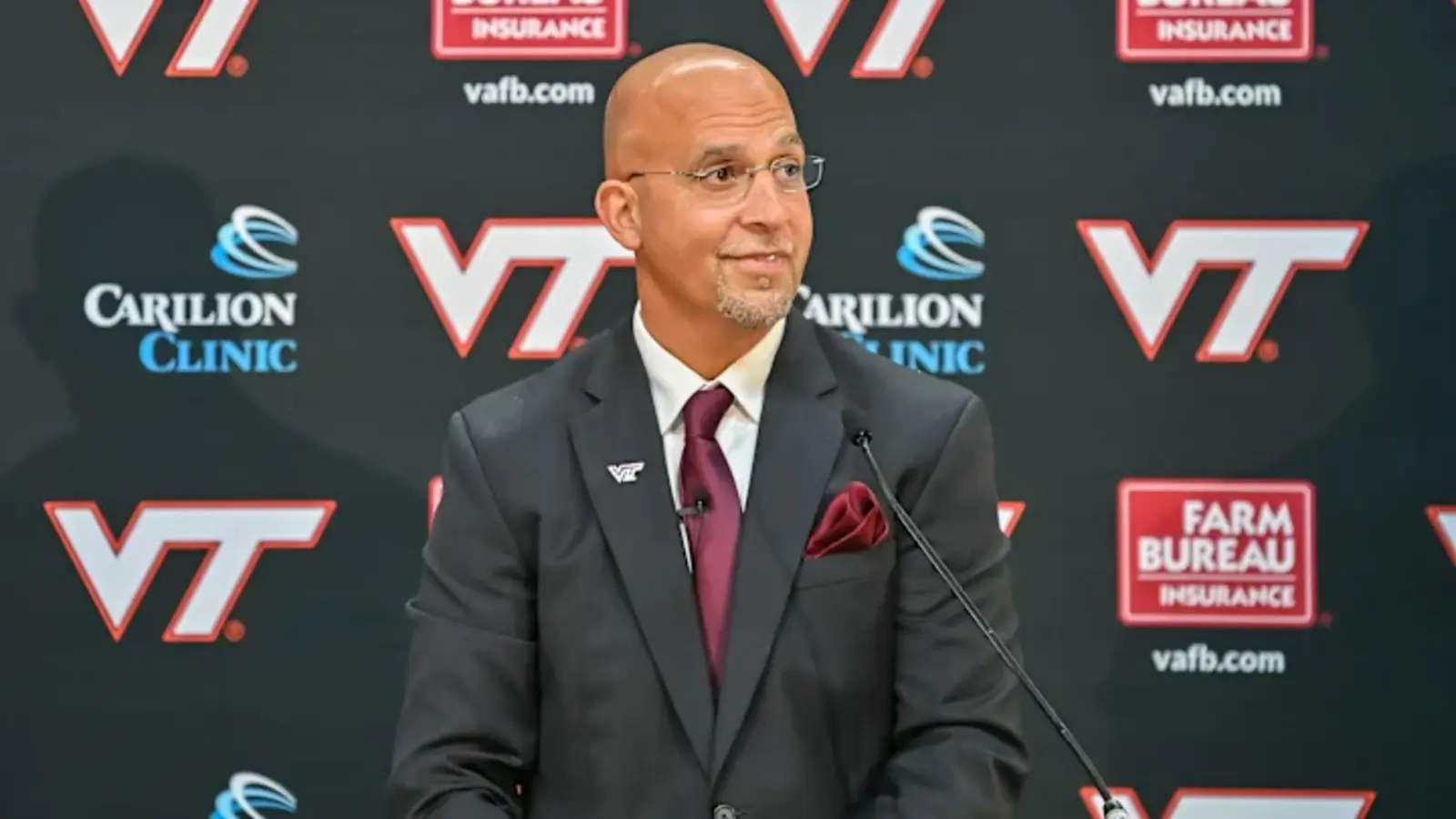
These numerous vacancies are likely to entice many coaches to jump ship from their current teams to take open jobs at a “blue blood” program, such as Florida, LSU, or Penn State. Outside of James Franklin, who has already taken a job at Virginia Tech, some of the most likely candidates to be sought after include SMU’s Rhett Lashlee, Missouri’s Eli Drinkwitz, and Ole Miss’s Lane Kiffin. These many coaching openings are sure to make this offseason one of the wildest ones in college football history.


