

At Belmont Hill, students are defined by their commitment to academic rigor, athletic perseverance, and personal character. Every morning, boys come to campus prepared to engage deeply in Harkness discussions, complete science labs, and push their physical limits at sports in the afternoons.
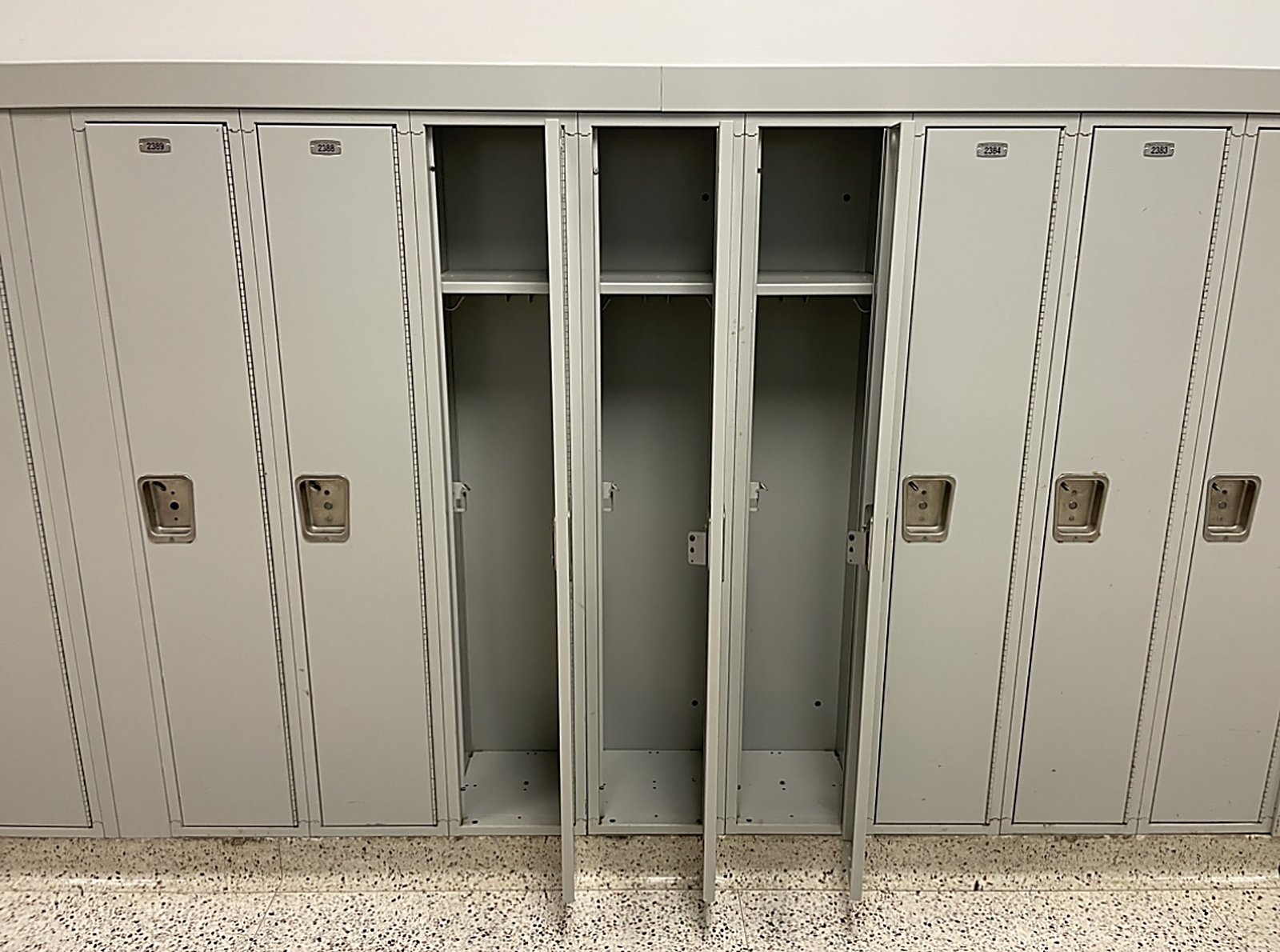
Throughout the school day, Belmont Hill students navigate campus weighed down by massive, overstuffed backpacks filled with heavy textbooks, binders, laptops, and notebooks. My personal backpack weighs in at more than 20lbs. Installing dedicated academic lockers across campus would significantly alleviate physical strain, foster better organizational habits, and create a more orderly academic environment for the entire community.
First, the physical toll of carrying heavy backpacks all day poses a genuine health risk. Medical experts consistently warn that school bags should not exceed 10% to 15% of a student’s total body weight. At Belmont Hill, where advanced courses require multiple notebooks, textbooks, folders, and a laptop, it is not uncommon for a student’s pack to exceed the recommended amount. Carrying this weight while walking back and forth between campus buildings strains developing shoulders, shifts posture forward, and causes chronic back and neck discomfort.
Furthermore, student’s backpacks generally weigh a similar amount regardless of their age. This means we expect 12-year-old 7th graders to carry the same weight as 19-year-old seniors.
Providing students with centrally located academic lockers would allow them to drop off heavy textbooks and materials they do not need immediately for their next class, drastically reducing physical exertion and promoting better long-term spinal health.
Beyond the physical benefits, academic lockers serve as an essential tool for developing effective organizational habits. High school and middle school are pivotal years for mastering time management and responsibility.
Without lockers, students often fall into the habit of dumping all their academic materials into one giant bag, leading to misplaced assignments, crumpled handouts, and unnecessary stress during class.
Having a designated home base for their books encourages boys to plan their day intentionally. Learning to manage personal storage space forces boys to develop a plan to organize their study materials systematically.
Introducing academic lockers would greatly improve campus safety, aesthetic order, and the protection of personal property. On any given afternoon, hallway floors, study halls, and even the academic quad are cluttered with sprawling piles of backpacks, creating tripping hazards and unsightly disorder in shared facilities. Lockers offer a secure, enclosed space to store high-value electronics and personal items and to keep shared campus spaces neat, safe, and professional.
Finally, lockers would support student well-being and facilitate smoother transitions between the classroom and athletics.
Belmont Hill expects students to juggle academic requirements alongside sports equipment, often forcing them to haul multiple bags across campus throughout the day.
A system where students had their own spot to store their belongings on the academic side of campus would help reduce the number of things they have to keep track of during the school day and the number of missing-sports-bag emails sent to everyone@belmonthill.org.
In conclsuion, academic lockers are far more than mere storage units that waste space. Instead, they are an investment in the health, organization, and daily well-being of the student body. By providing boys with a secure, centralized place to store their academic tools, Belmont Hill can reduce physical strain, encourage cleaner campus habits, and foster a more structured learning environment.


